
California lawmakers and state transportation officials put the state’s electric-vehicle funding and charging buildout under scrutiny at an Oct. 20 joint hearing, laying out current deployment figures while highlighting utility connections, charger reliability and multifamily housing as ongoing hurdles.
Christopher Grundler, deputy executive officer for mobile sources and incentives at the California Air Resources Board, said the Legislature had provided $271 million for current and new EV incentives. The My First EV program had issued nearly 12,000 incentives and allocated almost $20 million in reimbursements, he said. The California legislative hearing audio does not indicate that the hearing itself authorized new spending.
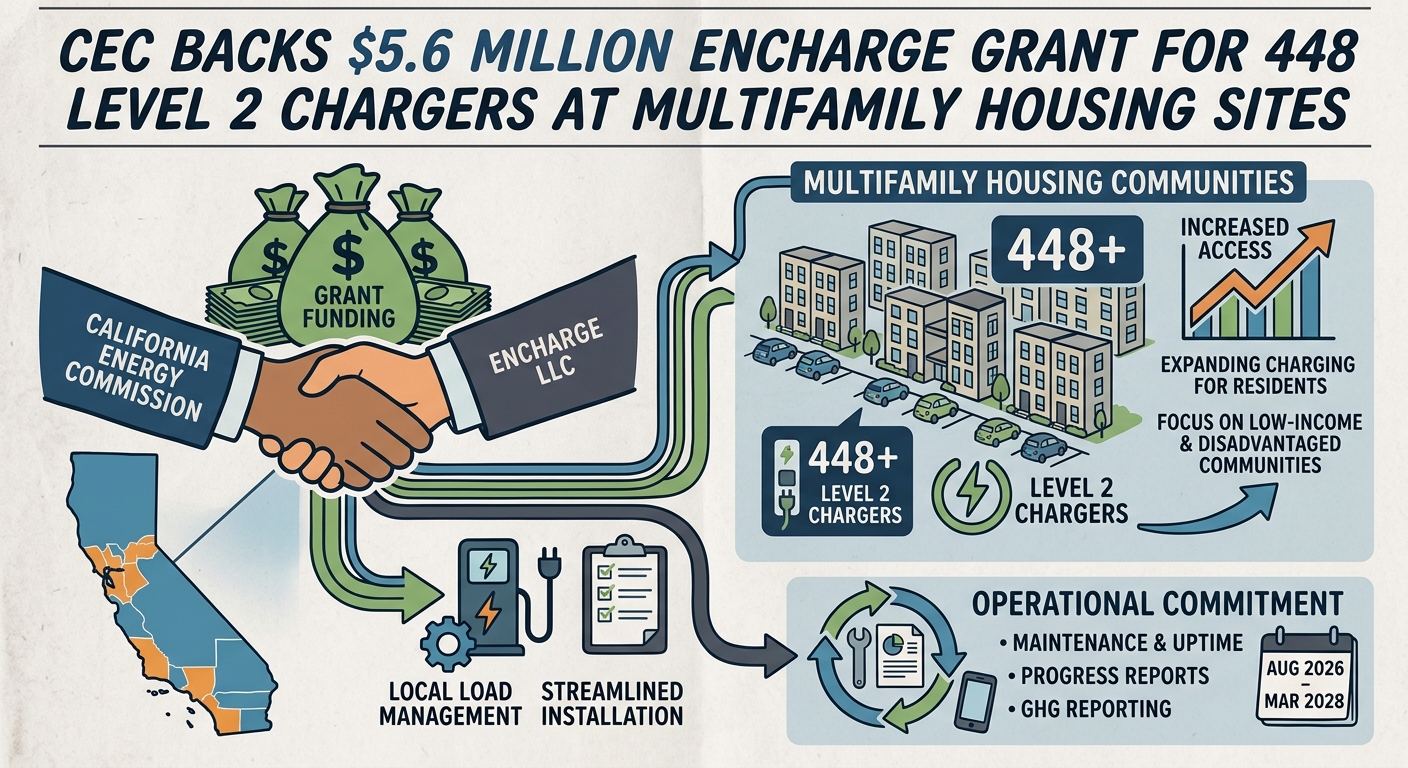
Nancy Skinner, a California Energy Commission lead commissioner for clean transportation, reported 224,438 EV charging ports at public and more limited-access sites, including workplaces, hotels and multifamily housing. About 23,000 of the publicly accessible chargers were DC fast chargers, she said. The CEC also reported about 1.2 million chargers at single-family homes and properties with up to four units.
The commission’s revised estimate for 2030 is 478,000 charging points at public or limited-access locations and 136,000 at multifamily housing, based on a projection of 6.8 million EVs. CEC officials said the current public and limited-access network is about 47% of the way to that 2030 goal, according to the hearing recording.
The figures create a benchmark for assessing whether California’s existing incentives and infrastructure coordination can meet its deployment commitments. Officials and witnesses also pointed to the need for faster utility energization, reliable chargers and more charging access for apartment residents. The hearing record does not provide a program-by-program spending breakdown or an implementation schedule for the revised targets, and it does not show a vote or appropriation tied to the figures.
The next relevant updates will be the CEC’s underlying charging forecast and new CARB or CEC data on incentive spending, uptake by income and geography, charger reliability and multifamily deployment.